
Copyright 2020 by Gary L. Pullman
Authors
who write historical fiction learn—or should learn—about a lot of
topics related to the times in which their novels are set. I thought
that readers and other fans of the genre might enjoy learning how
this writer approaches such research.

For
example, in writing On the Track of Vengeance,
the fourth novel in my series, An Adventure of the Old West, I
had occasion to research a number of subjects, some of which I used
in the story, others of which, for one reason or another, fell by the
wayside:

In
1880, how much did a gold bar weigh, and what was it worth?
A
gold bar weighed 400
troy ounces, or 27.4
pounds and, in 1880, was worth $18.94
per troy ounce.
Therefore,
a 27.4-pound (400-troy-ounce) bar of gold would have been worth
$7,576.

Besides
six-gun and six-shooter, what synonyms were available, in 1880, for
the word “revolver”?
A
revolver was also sometimes called a “wheelgun.”
In
what year did these terms come into use:
Derringer:
1850
Gunfight:
1889 (oops! Can't be used in a novel set in 1880!)
Gunman:
1620s
Gunplay:
1891 (oops! Can't be used in a novel set in 1880!)
Gunshot:
early 15th
century
Gunslinger:
1916 (oops! Can't be used in a novel set in 1880!)
Handgun:
1930s (oops! Can't be used in a novel set in 1880!)
Shootist:
1864
Shotgun:
1821
Six-gun: 1912 (oops! Can't be
used in a novel set in 1880!)
Six-shooter:
1884
Wheelgun: ? (may be best not to
use unless additional research uncovers first-use date)

In
addition to ensuring that the words used in a novel were actually in
use at the time the story is set, it's a good idea to verify one's
understanding of these terms. For example, a pommel isn't the same as
a saddle horn, but a spittoon (which came into general use in 1811)
is the same as the cuspidor
(which originated in 1779).

Click the image to enlarge it.
Where
can I find a good map of the Central Pacific Railroad route?
I
found an excellent digital copy of a superb map of this route, but,
alas!, I am now unable to locate the map or the website.
Fortunately,
I saved a copy, which is highly
recommended. A list of websites' URLs, or addresses, is great—until
one of the sites vanishes from the Internet forever. It's best to
keep both a list of the addresses and
a copy of each image you may want as a present or future reference.

Where
might I locate accounts of the origins of numerous towns along the
route of the Central Pacific Railroad route?
For
brief histories of the towns along the railroad's route, I used
Wikipedia,
verifying the online encyclopedia's accounts with other, more
reputable sources. When I found a town of particular interest, I did
further, more involved research, often using Google
Books, public or university libraries, and other databases.
To
confirm my memories and to further my knowledge about horses, I
consulted YouTube videos by contemporary, working cowboys, marksmen,
trackers, and other experts. As a result, I learned a lot about how
to lead a string of horses
(or mules); how a Colt
.45 single-action revolver looks when it fires; how to track
fugitives; and a lot of other topics.
When
it's necessary to know what a past dollar amount would be in today's
dollars, US
Inflation Calculator is an
invaluable resource. I've used it to get an idea of the value of
amounts posted on reward posters, for example, and to evaluate the
modern equivalents of gold prices and daily purchases and wages
during the times in which my novels are set (about 1865 to 1880 at
present).

Facsimiles
of Western newspapers
are often helpful in researching a story, as are vintage
maps. For a variety of other historical research materials, try
Internet Archive.
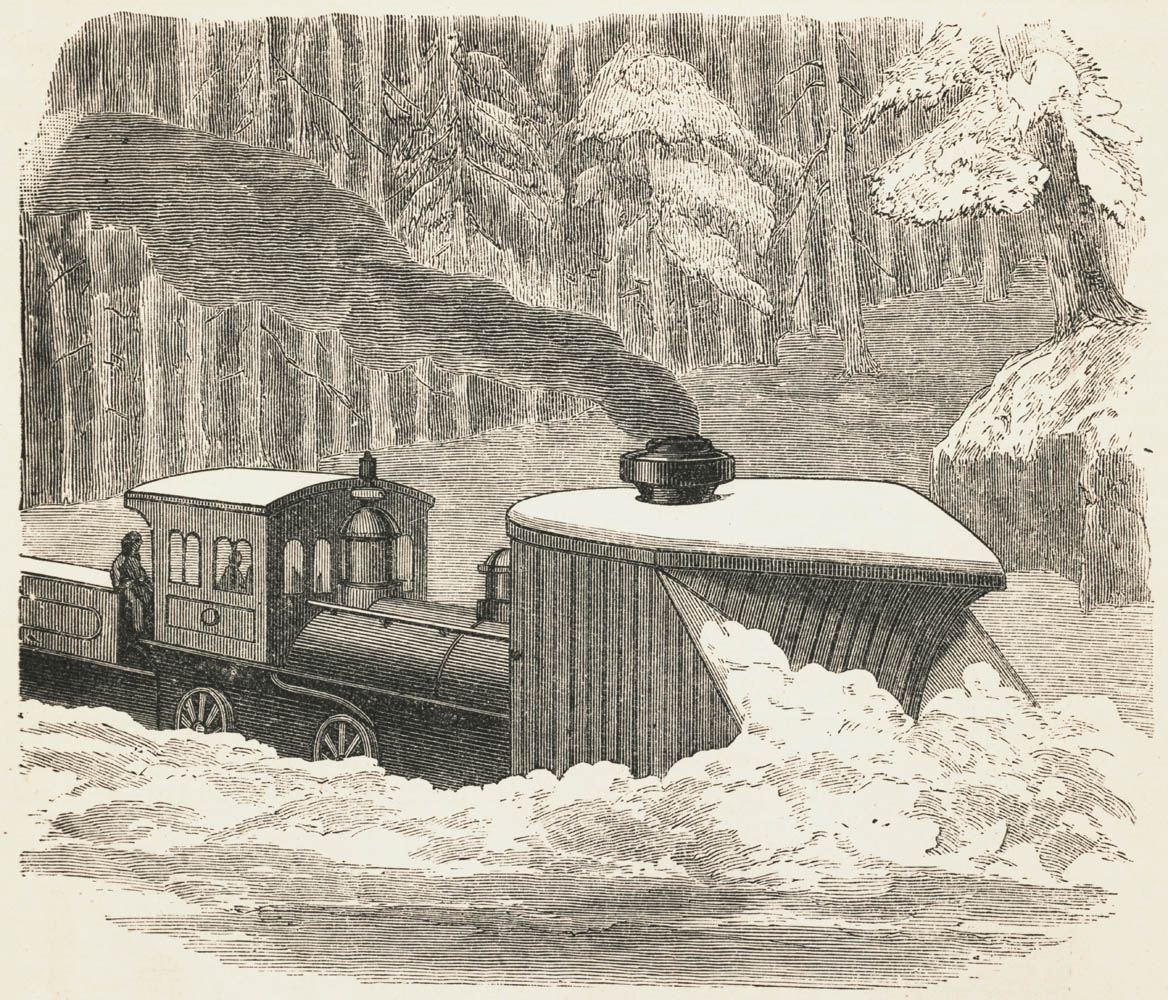
I
had to become acquainted with not only the transcontinental railroad
in general, but also with the route of the Central Pacific Railroad
in particular and the use and detonation of dynamite, the building of
snowsheds and trestles, labor relations associated with railroads and
their workers, types of sabotage, the day-to-day functions of U.S.
marshals, hotel registry books, wanted posters (Hollywood Westerns
notwithstanding, few such posters actually included photographs of
fugitives, I learned; usually, drawings were used, if there were any
illustrations at all), and a host of other details.
I
may have made a few mistakes (although I try hard to avoid doing so),
but I'm confident that, if so, I made far fewer than I would have,
had I not done my homework.

Keeping
a database of useful sources and a gallery of usable photographs,
diagrams (especially labeled ones), drawings, illustrations, and
other sources of information about the Wild West can benefit an
author in writing a whole series of novels. (It's educational and fun
as well.)


